
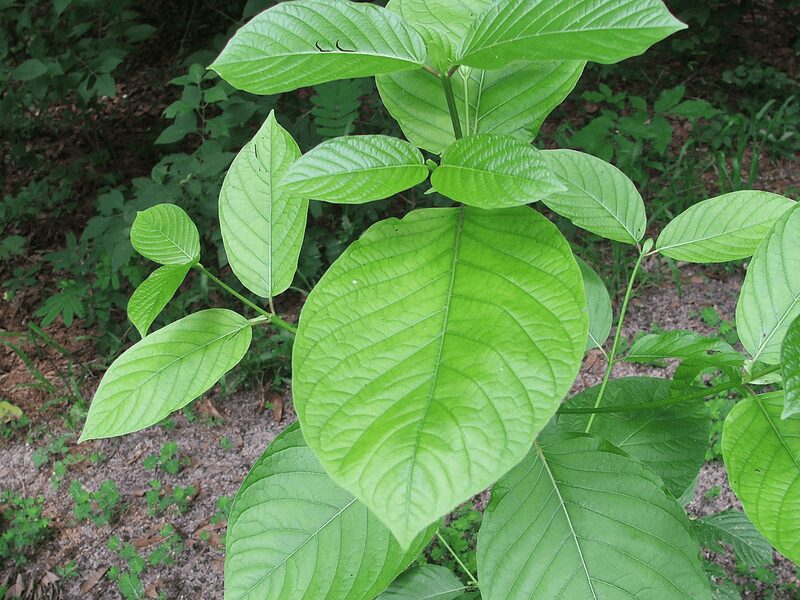
TL;DR: Yes, as at November 2025, kratom is legal to buy, sell, and possess in Florida for adults aged 21 and over. The state has enacted the Florida Kratom Consumer Protection Act (KCPA), which regulates the industry by setting age restrictions and mandating specific labeling and purity standards for all Kratom products sold. However, there is a significant exception: Kratom is banned within the limits of Sarasota County. Possessing or selling Kratom in Sarasota County is illegal and can lead to legal penalties.
Key Highlights
- Statewide Status: Kratom is legal and regulated across Florida.
- Age Requirement: You must be at least 21 years old to purchase Kratom.
- Local Bans: The sale and possession of Kratom are illegal in Sarasota County.
- State Regulation: The Florida Kratom Consumer Protection Act (KCPA) governs all sales.
- Product Labeling: Under the KCPA, products must list all ingredients and specify the alkaloid content.
- Safety Standards: Kratom products sold in Florida cannot be mixed with dangerous non-kratom substances or contain synthetic alkaloids.
The plant known as Kratom, or Mitragyna speciosa, has a long history rooted in the traditional cultures of Southeast Asian countries like Thailand, Malaysia, and Indonesia. For centuries, farmworkers and laborers chewed its leaves to sustain energy during long workdays. In recent years, this botanical has gained considerable attention across the United States, with millions of people using it for various personal reasons. This rise in popularity has placed Kratom directly in the middle of a complex public conversation involving consumers, regulators, and health officials.
At the federal level, the legal standing of Kratom remains unsettled. The Food and Drug Administration (FDA) has issued warnings regarding its safety and has not approved it for any medical application. The Drug Enforcement Administration (DEA) considered classifying Kratomโs primary active alkaloids, mitragynine and 7-hydroxymitragynine, as Schedule I controlled substances in 2016 but reversed its decision after significant public feedback. This federal indecision has created a patchwork of laws across the country, where some states have banned it entirely, others have left it unregulated, and a growing number, including Florida, have chosen a path of regulation.
The Legal Status of Kratom in Florida: A Statewide Overview
For residents and visitors in Florida, the primary question is straightforward: can you legally buy Kratom? The answer is yes, with important conditions. Florida has moved beyond the simple legal-or-illegal debate and implemented a system of regulation. This means that while Kratom is accessible, its sale and distribution are governed by a specific set of rules designed to promote consumer safety.
The cornerstone of this system is the Florida Kratom Consumer Protection Act. This legislation sets the ground rules for the entire industry within the state, transforming the market from an unregulated space into a structured one.
The Florida Kratom Consumer Protection Act (KCPA)
In 2023, Governor Ron DeSantis signed House Bill 179 into law, officially enacting the Florida Kratom Consumer Protection Act. This law was championed by advocacy groups like the American Kratom Association (AKA) and represents a significant policy decision to regulate the substance rather than ban it. The KCPA establishes several key requirements for any Kratom product sold in the state.
Key Provisions of the Florida KCPA:
- Age Restriction: The law makes it illegal to sell Kratom to anyone under the age of 21. Retailers are required to verify the age of their customers, similar to how they handle alcohol and tobacco sales.
- Labeling Requirements: Every Kratom product sold must have a label that clearly states its ingredients and the amount of mitragynine and 7-hydroxymitragynine it contains. This transparency allows consumers to know exactly what they are purchasing.
- Prohibition of Adulterants: The KCPA makes it illegal to sell any Kratom product that is adulterated with a dangerous non-kratom substance. This rule targets products that may be contaminated or intentionally mixed with other chemicals that could harm the user.
- Ban on Synthetic Alkaloids: The law prohibits the sale of Kratom products containing synthetic versions of its alkaloids, such as synthetic mitragynine or 7-hydroxymitragynine. All products must be derived from the natural plant.
Violations of the KCPA come with penalties. A vendor who fails to comply with these regulations can face fines and other legal consequences. This enforcement mechanism gives the law its strength and encourages a safer marketplace.
What Does “Regulated” Mean for Consumers?
For the average person, a regulated market is a safer market. Before the KCPA, consumers had little way of knowing the quality or purity of the Kratom they were buying. Products could have inconsistent alkaloid levels, or worse, be contaminated with heavy metals, salmonella, or other harmful substances. The KCPA directly addresses these concerns.
When you purchase Kratom from a vendor in Florida (outside of Sarasota County), you should now expect to see:
- Clear Age Verification: Be prepared to show your ID to prove you are 21 or older.
- Professional Labeling: The packaging should look professional and provide detailed information about the contents. Look for the percentage of mitragynine and a statement confirming it is a 100% natural product.
- Reputable Retailers: Legitimate vendors, whether online or in-person, will embrace these regulations. They understand that compliance builds trust and ensures the long-term viability of their business.
This regulatory approach aims to weed out bad actors who might sell low-quality or dangerous products. It empowers you, the consumer, to make more informed decisions by providing critical information directly on the product label. By choosing vendors who strictly adhere to the KCPA, you are not only following the law but also promoting a higher standard of safety for the entire community.
Sarasota County: The Exception to the Rule
While the Florida Kratom Consumer Protection Act establishes a clear legal framework for the state, it is crucial to remember that local governments can enact their own, stricter ordinances. In Florida, Sarasota County stands as the sole jurisdiction where Kratom is completely illegal. This local ban overrides the state’s permission, creating a legal island where the rules are entirely different.
The existence of this ban highlights a vital principle for anyone interested in Kratom: laws can change from one county line to the next. What is perfectly legal in Tampa (Hillsborough County) or Miami (Miami-Dade County) could lead to legal trouble just a short drive away in Sarasota.
Understanding the Sarasota County Ordinance
In 2014, long before the state decided to regulate Kratom, the Sarasota County Commission passed Ordinance No. 2014-035. This ordinance was part of a broader effort to crack down on synthetic drugs and substances marketed as “legal highs.” The commission voted to add Kratom to a list of “designer drugs,” effectively banning its sale and possession within the county’s unincorporated areas as well as its municipalities, including the City of Sarasota, Venice, and North Port.
The ordinance does not distinguish between different forms of Kratom. Whether it is powder, capsules, or extracts, all forms of Mitragyna speciosa are prohibited. The county’s law treats Kratom in the same category as synthetic cannabinoids (often called “Spice”) and cathinones (“bath salts”), even though Kratom is a natural plant with a completely different chemical structure. This classification remains in effect today, unaffected by the passage of the statewide KCPA.
Consequences of Kratom Possession in Sarasota County
Anyone found in possession of Kratom within Sarasota County faces potential legal penalties. The violation is typically treated as a misdemeanor, which can result in:
- Fines: A conviction can lead to significant financial penalties.
- Probation: A judge may order a period of supervised probation.
- Jail Time: In some cases, a misdemeanor conviction can carry a sentence of up to a year in county jail.
- A Criminal Record: A drug-related offense on your record can have long-term consequences for employment, housing, and other opportunities.
These penalties apply to both residents and visitors. If you are traveling through Florida with Kratom that you legally purchased elsewhere in the state, you would be breaking the law the moment you enter Sarasota County. Law enforcement in the area is aware of the ordinance, and ignorance of the local law is not a valid defense. Therefore, it is absolutely essential to avoid carrying or purchasing Kratom if you plan to be anywhere within Sarasota County’s borders.
A History of Kratom Legislation in Florida
Florida’s current regulatory stance on Kratom did not appear overnight. It is the result of years of debate, public testimony, and shifting legislative priorities. The journey from near-prohibition to the passage of the Kratom Consumer Protection Act shows how public advocacy and evolving perspectives can shape state law. Understanding this history provides valuable context for the current legal environment.
Early Attempts at a Statewide Ban
Beginning around 2016, Florida legislators introduced several bills aimed at banning Kratom statewide. These proposals sought to add Kratom’s main alkaloids, mitragynine and 7-hydroxymitragynine, to the state’s list of Schedule I controlled substances. Placing a substance in Schedule I defines it as having a high potential for abuse and no accepted medical use, putting it in the same legal category as heroin and LSD.
- Senate Bill 1182 (2017): This was one of the more prominent attempts to outlaw Kratom. The bill passed through some committees but ultimately failed to get a full vote in the Senate.
- House Bill 183 (2019): Another bill sought to classify Kratom as a Schedule I drug. It also failed to advance, stalling in the House Criminal Justice Subcommittee.
These legislative efforts were often fueled by negative media reports and public health warnings from the FDA. Proponents of the bans pointed to a handful of deaths in which Kratom was present, though in many of these cases, other more dangerous substances were also found. The arguments for prohibition centered on potential health risks and the lack of federal regulation.
The Shift Towards Regulation, Not Prohibition
The repeated failure of these prohibition bills was not an accident. Each time a ban was proposed, a strong and organized response emerged from the Kratom consumer community and advocacy organizations, most notably the American Kratom Association (AKA). These groups mobilized thousands of Florida residents to contact their legislators, share personal stories, and testify at public hearings.
The core arguments made by advocates were:
- Personal Freedom: Adults should have the right to make their own choices about their health and well-being.
- Economic Impact: A ban would shut down hundreds of small businesses across the state that sell Kratom.
- Safety Through Regulation: Instead of driving the market underground with a ban, the state should regulate it to ensure product safety and purity.
- Lack of Scientific Consensus: Advocates argued that the science on Kratom was still developing and that a complete ban was a premature and disproportionate response.
This sustained advocacy gradually changed the conversation in the state capital of Tallahassee. Lawmakers began to see that a significant portion of their constituents used Kratom responsibly and that a regulatory approach could address safety concerns without resorting to an outright ban. This shift in thinking paved the way for the Kratom Consumer Protection Act, which was modeled on similar laws passed in states like Utah, Georgia, and Arizona. The KCPA was presented as a compromise: it kept Kratom legal while holding the industry to a higher standard of safety and accountability.
Federal Oversight and Its Impact on Florida
While Florida has established its own laws regarding Kratom, the actions and opinions of federal agencies like the FDA and DEA continue to influence the national conversation. These federal bodies have the authority to enact nationwide policies that could, in theory, override state laws. Although they have not yet done so, their official positions and past actions create a backdrop of uncertainty for the future of Kratom in Florida and across the country.
The Role of the Food and Drug Administration (FDA)
The FDA has maintained a consistently critical stance on Kratom. The agency has not approved Kratom for any therapeutic use and has issued numerous public warnings about its potential health risks. The FDA’s primary concerns revolve around the substance’s opioid-like properties and the potential for dependence.
Key FDA Actions and Positions:
- Public Health Advisories: The FDA has released several advisories warning consumers to avoid using Kratom. These statements often highlight reports submitted to poison control centers and link Kratom use to adverse health outcomes.
- Import Alerts: The FDA has an active import alert that allows federal agents to seize Kratom shipments at the border without physical examination. This has made it more difficult for some suppliers to import raw Kratom leaf from Southeast Asia.
- Scientific Research: The FDA has conducted its own computer modeling research, which it claims shows that Kratom’s alkaloids act like opioids. However, many independent scientists argue that this view is overly simplistic and ignores the plant’s complex pharmacology.
Despite these actions, the FDA does not have the authority to schedule a substance on its own; that power rests with the DEA. The FDA can only provide a recommendation. Its continued opposition, however, puts pressure on state and local governments and contributes to the ongoing debate about Kratom’s safety.
The Drug Enforcement Administration (DEA) and Scheduling
The most significant federal threat to Kratom access occurred in August 2016. The DEA announced its intent to use its emergency scheduling authority to place mitragynine and 7-hydroxymitragynine into Schedule I of the Controlled Substances Act. This move would have made Kratom illegal nationwide almost overnight.
The announcement triggered a massive public response. Tens of thousands of people signed petitions, and a bipartisan group of more than 50 members of Congress sent a letter to the DEA urging the agency to reconsider. They called for a standard public comment period and a more thorough scientific review before taking such a drastic step.
In a rare reversal, the DEA withdrew its notice of intent in October 2016. The agency stated it would instead open a formal public comment period and consider the scientific information provided by the FDA and the public. To date, the DEA has not moved forward with scheduling Kratom. This episode demonstrated the power of public advocacy and set a precedent that a federal ban was not inevitable. However, the possibility of future federal action remains, and the Kratom community continues to monitor the activities of both the DEA and FDA closely.
How to Purchase Kratom Legally and Safely in Florida
With the Kratom Consumer Protection Act in place, Florida consumers have a clearer path to purchasing Kratom safely. The law puts the responsibility on vendors to be transparent and responsible, but it also empowers you to be a discerning customer. Knowing what to look for can help you avoid subpar products and support businesses that prioritize quality and safety.
Identifying Reputable Vendors
A trustworthy vendor will not only follow the law but will often go beyond the minimum requirements to ensure their products are safe. Here is a checklist to help you identify a reputable source for Kratom in Florida:
- Compliance with the KCPA: The vendor must verify you are 21 or older and have products with clear, informative labels listing ingredients and alkaloid content. If a seller ignores these basic rules, they are breaking the law and cannot be trusted.
- Third-Party Lab Testing: The best vendors send samples of their products to independent laboratories for testing. These tests check for alkaloid levels and screen for contaminants like heavy metals, pesticides, and microbial pathogens like salmonella. Reputable companies make these lab results (often called Certificates of Analysis) available to their customers, either on their website or by request.
- AKA GMP Standards: The American Kratom Association has a Good Manufacturing Practices (GMP) program. Vendors who participate in this program agree to regular third-party audits to ensure their facilities and procedures meet high standards for cleanliness and quality control. Look for a seal or mention of AKA GMP certification on a vendor’s website or packaging.
- Clear and Honest Marketing: Reputable sellers do not make illegal health claims. They will not market their Kratom as a “cure” or “treatment” for any disease or medical condition, as this is prohibited by the FDA.
Red Flags to Watch For When Buying Kratom
Just as there are signs of a good vendor, there are also clear warning signs of a questionable one. Be cautious if you encounter any of the following:
- Unrealistic Health Claims: If a product is advertised with promises to cure anxiety, treat opioid withdrawal, or provide other specific medical benefits, it is a major red flag. This is illegal marketing and suggests the company is untrustworthy.
- Lack of Information: Avoid products with no information about their origin, alkaloid content, or batch number. Vague or missing labels are a sign that the vendor is not compliant with Florida law.
- Suspiciously Low Prices: While everyone loves a good deal, prices that are significantly lower than the market average may indicate a low-quality or even contaminated product. Quality control and lab testing cost money, and extremely cheap products may be cutting corners.
- “Enhanced” or “Fortified” Products: Be wary of products marketed as “enhanced” with other ingredients or extracts. Some of these may contain synthetic alkaloids or other dangerous additives, which are illegal under the KCPA. Stick to pure, unadulterated Kratom leaf powder.
By being a smart and informed consumer, you can use the protections offered by the KCPA to your advantage and ensure you are purchasing a safe and legal product.
The Future of Kratom in the Sunshine State
The passage of the Florida Kratom Consumer Protection Act marked a major milestone, providing stability and clear guidelines for the state’s Kratom market. However, the legal landscape is never completely static. Both consumers and vendors should remain aware of potential changes at the local and state levels, as well as the ongoing national conversation surrounding this plant.
Potential for New Local Ordinances
Sarasota County’s ban serves as a permanent reminder that counties and municipalities in Florida have the power to enact their own laws. While no other counties have followed Sarasota’s lead to date, the possibility always exists. Local governments can be influenced by a variety of factors, including public health reports, law enforcement concerns, or organized community groups.
For residents who value access to Kratom, it is wise to stay informed about the activities of their local city and county commissions. These meetings are typically public, and agendas are often posted online. By paying attention to proposed ordinances, citizens can participate in the legislative process and make their voices heard before a potential ban is put to a vote.
The Ongoing Debate and Advocacy Efforts
The debate over Kratom is far from over. Nationally, organizations like the American Kratom Association continue to advocate for the passage of KCPA-style laws in more states. Their goal is to create a consistent regulatory framework across the country that protects consumers and prevents outright prohibition. At the same time, federal agencies like the FDA continue to express their concerns, and scientific research into Kratom’s effects and safety profile is ongoing.
The future of Kratom in Florida will likely be shaped by these competing forces. The success of the KCPA in ensuring a safe market could serve as a model for other states and potentially influence the federal perspective. Conversely, any significant public health issues linked to unregulated or adulterated products could reignite calls for stricter laws or bans. For now, Florida’s law provides a stable middle ground, but continued vigilance from both consumers and the industry will be necessary to maintain it.
Conclusion
To directly answer the central question: As at November 2025, kratom is legal in the state of Florida for any adult 21 years of age or older. The state has chosen a path of regulation over prohibition by implementing the Florida Kratom Consumer Protection Act. This law sets important safety standards, requiring vendors to verify age, provide detailed product labels, and ensure their products are free from dangerous contaminants and synthetic alkaloids. This regulatory framework is a significant step toward creating a transparent and safer market for consumers.
However, this statewide legality comes with a critical exception. In Sarasota County, a local ordinance makes the possession, sale, and use of Kratom illegal, with potential penalties including fines and jail time. This stark contrast underscores the importance of being aware of not just state laws, but local regulations as well, especially when traveling. The legal landscape for Kratom remains dynamic, influenced by ongoing advocacy, scientific research, and the differing views of state and federal agencies.
