
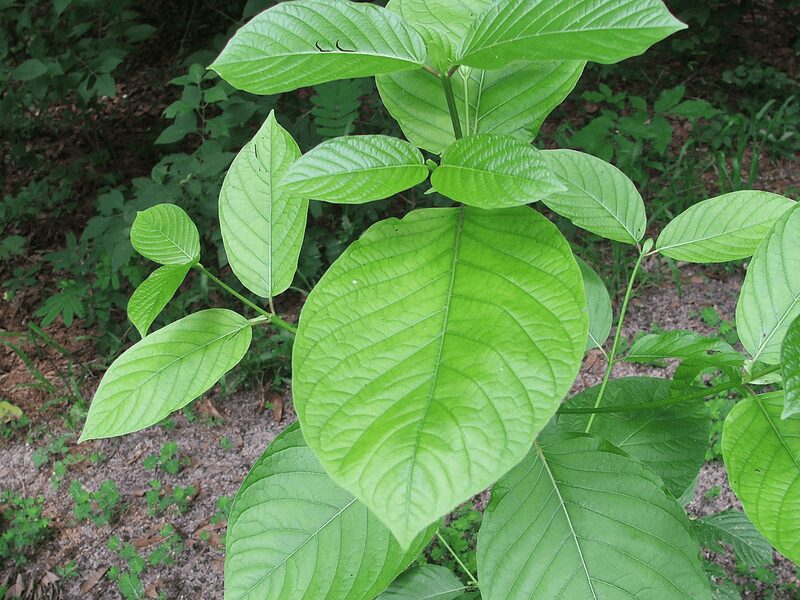
Kratom is legal in Kentucky, but it is no longer an unregulated product. A statewide Kratom Consumer Protection Act–style law governs who can buy it and how it can be manufactured and sold, and a separate action targets one especially potent kratom derivative. This framework makes Kentucky a “legal but tightly regulated” state rather than a ban state.
Overview of Kratom’s Legal Status in Kentucky
Kentucky permits adults to buy, possess, and use kratom products as long as those products comply with specific safety and labeling requirements. Kratom itself is not listed as a Schedule I controlled substance when sold in its natural or properly formulated forms; instead, the state uses consumer‑protection style rules to manage risk.
This approach emerged after debates over whether to outlaw kratom entirely. Lawmakers ultimately chose a regulatory model that keeps kratom accessible for adults while imposing controls on quality, marketing, and youth access.
House Bill 293: Kentucky’s Kratom Consumer Protection Law
House Bill 293, passed in 2024, is the central law that regulates kratom in Kentucky and is codified at KRS 217.2201–217.2209. It functions similarly to Kratom Consumer Protection Acts in other states, creating a legal but controlled marketplace. Key provisions include:
- Legal age limit: 21+
- Retailers may only sell kratom products to individuals who are 21 or older.
- Selling to anyone under 21 is prohibited and can trigger civil penalties or other enforcement actions.
- Labeling and disclosure requirements
- Products must list ingredients, including mitragynine content and other active alkaloids, on the label.
- Labels must include warnings about potential health risks, appropriate use, and the 21+ age restriction.
- Adulteration and contamination bans
- It is illegal to sell kratom that is adulterated with other controlled substances or unsafe contaminants such as heavy metals or harmful additives.
- Vendors must source products from manufacturers that follow good manufacturing practices and can provide documentation of product testing.
Violations such as selling to underage buyers, mislabeling products, or offering adulterated kratom can result in fines and other civil penalties, and repeat or serious offenders may face stricter sanctions.
Vendor Licensing and Compliance Duties
Under HB 293, kratom is not something that any business can sell casually. Vendors are expected to comply with a structured regulatory system:
- Licensing/registration
- Retailers and distributors must be registered or licensed under Kentucky’s kratom rules, allowing the state to inspect and oversee businesses more effectively.
- Record‑keeping and traceability
- Businesses are expected to maintain purchase and sales records that help trace products back to manufacturers in the event of contamination or complaints.
- Advertising standards
- Marketing cannot make false or misleading health claims or present kratom as a cure or treatment for medical conditions without scientific backing and regulatory approval.
These obligations are designed to curb “gas‑station kratom” problems by pushing the market toward more reputable, transparent vendors.
Targeted Ban on 7‑Hydroxymitragynine Products in Kentucky
While natural kratom remains legal under HB 293, Kentucky has moved to block access to products that isolate or heavily concentrate 7‑hydroxymitragynine (7‑OH), a powerful kratom alkaloid. In 2025, Governor Andy Beshear announced steps to classify certain 7‑OH kratom derivatives as Schedule I narcotics under state law.
State officials describe these products as especially addictive and potentially more dangerous than traditional kratom forms. The action aims to:
- Prohibit the manufacture, sale, and possession of highly concentrated or synthetic 7‑OH products.
- Distinguish between traditional kratom leaf or standard extracts and lab‑manipulated derivatives marketed for intense psychoactive effects.
This means a product sold simply as kratom powder with natural alkaloid levels can remain legal, while a vial or tablet marketed as a high‑dose 7‑OH extract may fall under the Schedule I ban.
Ongoing Regulatory Updates: HB 481 and Admin Rules
Kentucky continues to refine its approach through additional legislation and administrative regulation:
- House Bill 481 (2025)
- HB 481 seeks to update and expand the existing kratom framework, aligning it more closely with rules governing other “intoxicating substances.”
- The bill addresses definitions, inspection powers, and enforcement mechanisms, helping agencies apply HB 293 consistently.
- Administrative regulations
- Legislative committee documents from October 2025 discuss administrative regulations for kratom and related products, including testing standards and coordination with local authorities.
- These rules aim to ensure that kratom sold in Kentucky meets laboratory‑verification standards and that regulators can quickly respond to unsafe products.
Together, these measures signal that Kentucky intends to keep kratom legal but under continuous regulatory scrutiny.
Local Government Role
State guidance to cities and counties explains how local governments fit into the new framework. While localities retain general authority over zoning and nuisance issues, they are encouraged to work within the state’s kratom act rather than pass conflicting bans or regulations.
There are no widely reported city‑ or county‑wide bans on kratom in Kentucky; instead, municipalities typically focus on issues like where kratom shops can be located, whether they can operate near schools, and how local enforcement coordinates with state inspectors.
Practical Takeaways for Consumers and Vendors
For consumers in Kentucky:
- Kratom is legal, but only if you are 21 or older and purchase from compliant vendors.
- Look for products with clear labels, ingredient lists, and warnings; avoid unlabeled or “mystery” kratom items, especially highly concentrated extracts.
- Be cautious with any product advertised specifically as 7‑hydroxymitragynine or extreme‑potency kratom, as those may fall under the emerging Schedule I ban.
For vendors:
- Ensure your business is properly registered or licensed under Kentucky’s kratom rules and that you maintain documentation of lab testing and supply chains.
- Train staff to check IDs and enforce the 21+ age limit consistently.
- Monitor state updates on HB 481 and administrative regulations, as these may change testing requirements or enforcement expectations.
In summary, Kentucky treats kratom as a legal but tightly regulated product: adults may use it, but only within a framework that emphasizes age limits, product purity, honest labeling, and a growing crackdown on potent derivatives like isolated 7‑OH.