
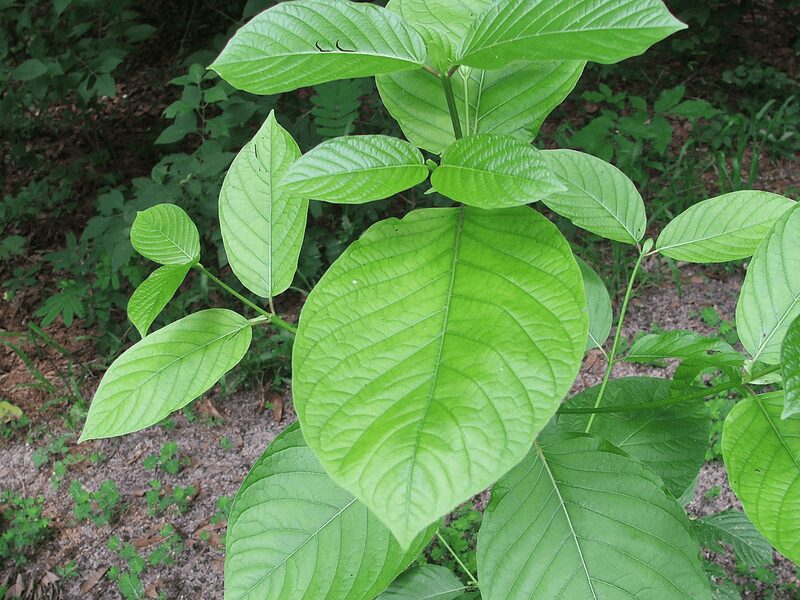
Kratom remains legal at the state level in Mississippi for adults aged 21+, but it is now heavily restricted and overlaid with a growing patchwork of local bans. Adults can still buy and possess kratom in some parts of the state, yet in dozens of cities and counties, it is completely illegal.
Statewide Legal Status of Kratom in Mississippi
Mississippi has not enacted a total statewide ban on natural kratom. State law still allows adults to purchase and possess kratom products, provided they follow new age and product rules created in 2025. This distinguishes Mississippi from full‑ban states like Alabama, Arkansas, Indiana, Louisiana, Vermont, and Wisconsin, where simple possession is a crime everywhere in the state.
The key statewide changes arrived with House Bill 1077, passed in the 2025 Regular Session and signed by Governor Tate Reeves. That bill, combined with subsequent measures, shifted Mississippi from a loosely regulated environment into one where kratom is legal only for older adults and certain product types.
Age Limits and Product Restrictions of Kratom in Mississippi
House Bill 1077 raised the legal age for kratom to 21 years old. Selling kratom to anyone under 21 is now an offense that can bring fines and other penalties for retailers, and under‑21 buyers can also be cited for unlawful possession. In practice, shops are required to card customers and treat kratom similarly to alcohol or higher‑risk tobacco products, rather than an ordinary supplement.
The new law also targets synthetic and high‑potency kratom products. It restricts or bans products containing elevated concentrations of 7‑hydroxymitragynine and other chemically altered kratom compounds often found in “gas‑station” shots, gummies, and capsules. Retailers are expected to keep kratom behind the counter rather than on open shelves, reinforcing the sense that kratom is an age‑restricted and monitored product.
Taxation and Economic Pressure
In addition to age and product rules, Mississippi has imposed a 25 percent excise tax on kratom products, which is higher than the state’s tax on tobacco. This tax applies to wholesalers and retailers and is intended both to raise revenue and to discourage the proliferation of low‑quality kratom items in convenience outlets.
For businesses, this excise tax adds a significant cost layer to selling kratom legally in areas where it is still allowed. Some smaller shops have responded by dropping kratom products entirely, while others have shifted toward higher‑priced, better‑documented brands that can bear the added tax burden.
Local Bans and the Patchwork Map
Perhaps the most important feature of Mississippi’s kratom landscape is the extensive network of local bans. More than 30 cities and counties have enacted ordinances that completely prohibit buying, selling, using, or possessing kratom. These include notable jurisdictions such as Oxford, Ridgeland, Columbus, Lowndes County, and Jones County, along with many smaller municipalities.
HB 1077 specifically allows local governments to keep these bans in place and to adopt new ones in the future. That means state law sets the baseline (21+ and product limits), but any city or county can choose to go further and outlaw kratom altogether. The result is a patchwork where kratom may be fully legal in one county, heavily restricted one county over, and completely illegal a short drive away.
Mississippi Cities and Counties Where Kratom is Illegal
Kratom is banned in a significant number of Mississippi cities and counties, and that list has been expanding. Exact counts vary slightly by source and timing, but all recent reporting agrees that more than 30 local jurisdictions prohibit kratom.
Counties with Kratom Bans
The following counties are consistently reported as having county‑wide bans on kratom (meaning sales and possession are illegal in unincorporated areas and, in many cases, within cities that have not adopted separate rules):
- Alcorn County
- Calhoun County
- Itawamba County
- Lowndes County
- Monroe County
- Noxubee County
- Prentiss County
- Tippah County
- Tishomingo County
- Union County
- Jones County (recent ordinance extending a prior city ban)
Several reports also note that at least 15 counties in total have bans, so additional counties beyond those listed above may have enacted or updated ordinances. Always check the most recent county code or board of supervisors minutes for confirmation.
Cities and Towns with Kratom Bans in Mississippi
Multiple Mississippi cities and towns have adopted their own ordinances banning the sale and/or possession of kratom within city limits. Sources list more than 30 cities; commonly cited examples include:
- Belmont
- Blue Mountain
- Booneville
- Bruce
- Burnsville
- Caledonia
- Calhoun City (within Calhoun County)
- Columbus
- Corinth
- Derma
- Fulton
- Guntown
- Iuka
- Mantachie
- Marietta
- New Albany
- Okolona
- Oxford
- Pontotoc
- Ripley
- Saltillo
- Senatobia
- Tishomingo (city)
- Vardaman
- Laurel (city ban, followed by a broader Jones County ordinance)
- Brookhaven (ban effective July 1, 2025)
Legislative and media summaries note that around 15 counties and 32 cities in Mississippi had bans in place by early–mid 2025, and HB 1077 expressly allows those ordinances to remain in force. Because local boards continue to revisit kratom, this list is best treated as a baseline rather than an exhaustive, permanently up‑to‑date catalog.
How to Use This Information
- If you live in or travel through Mississippi, assume kratom is illegal in any of the counties or cities listed above and verify current ordinances with the local government, since bans can expand.
- Even where the state allows kratom for adults 21+, local bans override that permission inside the relevant city or county.
Enforcement and Practical Risks
Enforcement differs between state and local levels. Statewide, attention focuses on preventing under‑21 sales, curbing synthetic and high‑potency products, and collecting the kratom excise tax. Retailers found selling to minors, ignoring product restrictions, or failing to pay the excise tax can face fines, license issues, or other sanctions.
In jurisdictions with local bans, any possession can bring legal trouble, regardless of age. Someone who buys kratom legally in a county that allows it and then carries it into a banned city may be violating that city’s ordinance as soon as they cross the line. Because these local rules often differ, consumers and businesses must pay close attention to where they are operating, not just what the state statute says.
Practical Takeaways
For Mississippi residents and visitors, a few points are crucial:
- Kratom is not banned statewide, but it is 21+ only, and synthetic or high‑potency products face special restrictions.
- A large and growing number of cities and counties have total bans, where any kratom possession is illegal, regardless of age.
- Retailers must comply with age checks, product rules, and the 25 percent excise tax to operate within the law.
Because the law combines statewide rules with strong local control, anyone who buys, carries, or sells kratom in Mississippi should always verify both state law and local ordinances for their specific area before acting.