
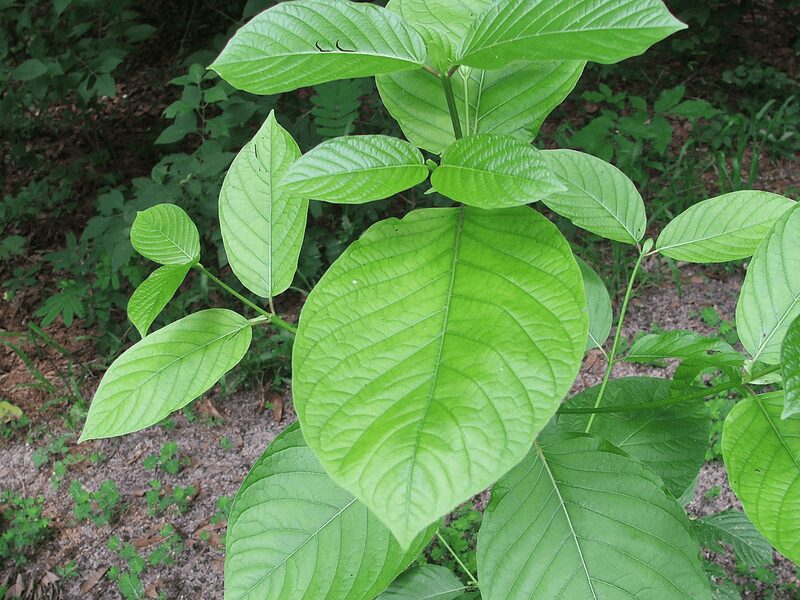
Ohio has effectively moved from a “legal but debated” stance on kratom to treating most kratom‑related products as illegal statewide. This shift has happened rapidly through a combination of legislative pressure, executive action, and emergency rulemaking by the state’s pharmacy regulators.
Background: Kratom’s Status in Ohio Before 2025
For several years, Ohio allowed natural kratom while state officials debated whether to regulate or ban it. Lawmakers and the State Board of Pharmacy previously considered scheduling kratom’s alkaloids as controlled substances but paused those efforts after pushback from consumers and advocacy groups. During this period, adults could legally buy kratom powders and capsules in smoke shops, gas stations, and online, even as health authorities warned about “gas‑station” products and urged tighter control.
Throughout early 2025, Ohio remained a state where kratom was technically legal but under heavy scrutiny. Media coverage frequently highlighted rising poison‑control calls and emergency‑room visits involving products marketed as kratom, especially heavily flavored shots, tablets, and gummies sold at convenience retailers.
The Shift Toward Banning Synthetic Kratom
The first major change came with a policy push specifically targeting synthetic kratom and highly altered products. Legislators introduced proposals to ban synthetic or lab‑modified kratom compounds and to restrict the sale of highly concentrated “kratom‑style” products that went far beyond the traditional leaf. At the same time, state health and policy organizations publicly backed a crackdown on synthetic versions, distinguishing them from natural kratom powder.
By late summer 2025, the governor publicly called for a statewide ban on synthetic kratom, citing overdose concerns and the proliferation of unregulated products in gas stations and smoke shops. That call set the stage for emergency regulatory action and signaled that the state was prepared to move quickly if the legislature did not act fast enough.
Governor DeWine’s Order and Emergency Actions
In December 2025, the governor issued an order directing state regulators to move immediately against synthetic kratom products. The State Board of Pharmacy responded by adopting emergency rules that classified synthetic kratom as prohibited and instructed retailers to stop selling those products. Businesses were told to remove synthetic kratom items from shelves and dispose of remaining stock, with the warning that continued sales could result in enforcement actions.
These emergency rules were framed as an urgent response to what officials described as an escalating public‑health risk. They targeted products that were fortified with lab‑made alkaloids or marketed as extremely potent “gas‑station” kratom shots, gummies, and pills that bore little resemblance to traditional leaf or tea.
Expansion to “Kratom‑Related Products” and De Facto Ban
The most consequential step came when the State Board of Pharmacy issued a formal consumer and retailer notice stating that “kratom‑related products” are now illegal in Ohio. In this notice, the Board used broad language that appears to cover not only synthetic formulations but also most, if not all, products sold as kratom, including natural powders and capsules.
From a practical standpoint, this notice created a de facto statewide ban on kratom. Retailers were told that kratom‑related products should no longer be offered for sale in Ohio and that failure to comply could lead to inspections, product seizures, or administrative sanctions. Consumers who had previously purchased kratom legally were informed that these products are now considered illegal under the new rule.
Because this change came via regulatory action rather than a traditional criminal statute, the precise line between administrative and criminal penalties is still being clarified. However, the clear intent of the Board’s notice is to halt the commercial kratom market in Ohio and to treat kratom products in a manner similar to other banned substances.
Natural vs. Synthetic Kratom Under the New Rules
On paper, Ohio’s initial moves focused on synthetic kratom—lab‑created analogues and heavily modified alkaloid formulations. Those products are now squarely banned as part of the state’s effort to remove high‑risk “designer” versions from store shelves. The governor’s order and the Board’s early emergency rules were framed around this narrower category.
The December notice, however, refers broadly to “kratom‑related products,” which almost certainly includes natural kratom leaf and powders sold under typical brand names. This means that while the original political justification emphasized synthetics, the regulatory outcome has swept in natural kratom as well. For consumers and retailers, it is no longer safe to assume that natural kratom remains legal simply because synthetic products were the initial target.
What This Means for Consumers and Retailers
For retailers:
- Shops are expected to remove all kratom‑related products from shelves and stop ordering new stock.
- Businesses that continue to sell kratom risk inspections, seizure of inventory, and possible administrative or licensing consequences.
- Online vendors that ship to Ohio customers face the risk that their products will be treated as illegal once they enter the state.
For consumers:
- Purchasing kratom in Ohio is now legally risky, even if similar products remain legal in neighboring states.
- Possession of kratom could be subject to enforcement under the new rules; while the exact form of penalties is still evolving, consumers should not assume that past legality protects them now.
- Traveling into Ohio with kratom bought elsewhere may place a person in violation of state rules once they cross the border.
Outlook: A Rapidly Evolving Legal Landscape
Ohio’s move from contemplating regulation to effectively banning kratom‑related products has happened quickly and largely through executive and regulatory channels. Advocates for kratom may seek to challenge or narrow the Board’s rule, or to push for a legislative framework that legalizes natural kratom under strict consumer‑protection standards. At the same time, state officials have signaled that they view kratom, especially synthetic or highly potent forms, as a serious public‑health concern.
Given this volatility, anyone in Ohio who uses, sells, or ships kratom should proceed on the assumption that kratom products are currently treated as illegal and follow updated notices from state agencies and courts closely.