
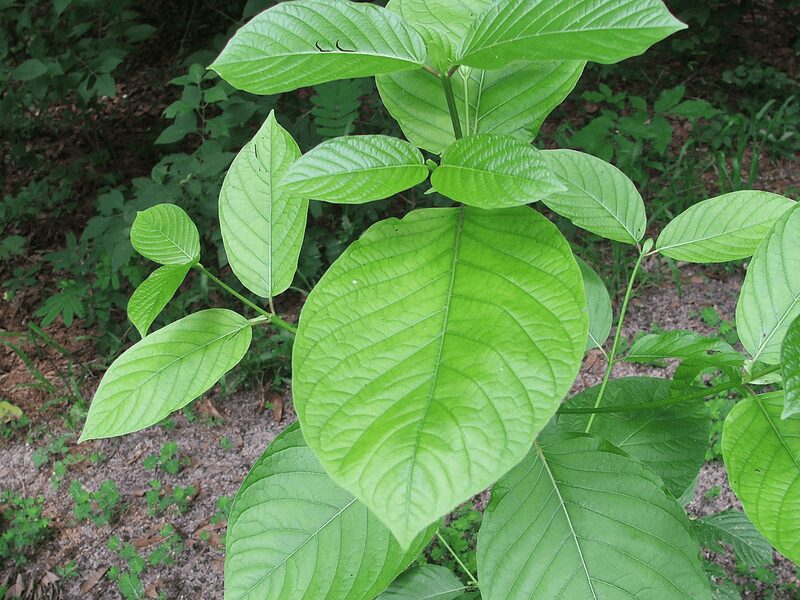
Kratom is currently legal at the federal level in the United States, but its status varies widely from state to state and even city to city. The federal government has not scheduled kratom as a controlled substance, though federal agencies have raised serious concerns about its safety.
States Where Kratom Is Illegal
Seven states have enacted outright bans on kratom, making it illegal to possess, sell, or distribute:
- Alabama: Kratom’s active alkaloids, mitragynine and 7-hydroxymitragynine, are classified as Schedule I controlled substances under state law.
- Arkansas: The state classified kratom alkaloids as Schedule I substances, effectively banning the plant and its derivatives.
- Indiana: Kratom is banned under Indiana’s synthetic drug law, which lists its active compounds as controlled substances.
- Rhode Island: Mitragynine and 7-hydroxymitragynine are listed as Schedule I controlled substances, making kratom illegal statewide.
- Vermont: Both primary alkaloids are classified as regulated drugs under state law, resulting in a full ban.
- Wisconsin: Kratom alkaloids are Schedule I controlled substances in Wisconsin, prohibiting sale and possession.
- California: Kratom is not classified as a controlled substance, but state regulators prohibit its sale for human consumption, and enforcement actions have effectively removed it from legal retail sale.
States With Kratom Consumer Protection Laws
Several states have chosen regulation over prohibition by adopting versions of the Kratom Consumer Protection Act (KCPA). These laws do not ban kratom but set standards for labeling, age restrictions, and product purity. States that have passed some form of KCPA legislation include:
Georgia, Nevada, Utah, Arizona, Colorado, and Oklahoma, among others. These laws generally require that kratom products be accurately labeled, prohibit the sale of adulterated products, and restrict sales to adults, typically those 18 or 21 years of age and older depending on the state.
States and Local Jurisdictions With Partial Restrictions
Even in states where kratom is broadly legal, some cities and counties have enacted their own local bans. Notable examples include Sarasota County in Florida and San Diego in California, both of which have restricted kratom sales locally despite statewide access being permitted.
Federal Regulatory Position
The U.S. Food and Drug Administration has not approved kratom for any medical use and has consistently warned the public about its risks. The FDA has issued import alerts allowing it to detain kratom shipments and has taken enforcement action against companies making unsubstantiated health claims about kratom products. The Drug Enforcement Administration considered placing kratom on the Schedule I list in 2016 but withdrew the proposal following public opposition. The DEA has continued to monitor kratom and lists it as a Drug and Chemical of Concern. As of 2024, neither agency has completed formal federal scheduling, leaving kratom in a regulatory gray area at the national level.
Health Risks and Concerns
Kratom contains active compounds called alkaloids, primarily mitragynine and 7-hydroxymitragynine, that interact with opioid receptors in the brain. At low doses, kratom can produce stimulant-like effects. At higher doses, it produces sedation and pain relief similar to opioids. This dual action is part of why kratom is marketed as a natural remedy for pain, anxiety, and opioid withdrawal, but it is also why health authorities have raised serious alarms.
The FDA has linked kratom to dozens of deaths, often in combination with other substances, and has identified it as a substance with opioid-like properties and a significant potential for abuse, addiction, and serious health consequences. The agency has stated publicly that there is no reliable evidence that kratom is safe or effective for any health condition.
Reported health effects associated with kratom use include:
- Nausea, vomiting, and constipation
- Rapid heart rate and high blood pressure
- Liver damage, including cases of acute liver failure
- Seizures
- Hallucinations and psychosis in heavy users
- Respiratory depression at high doses
- Withdrawal symptoms including muscle aches, irritability, insomnia, and cravings
Kratom dependence and withdrawal are well-documented in medical literature. The National Institute on Drug Abuse notes that regular kratom use can lead to physical dependence, and stopping use can produce withdrawal symptoms similar to opioid withdrawal. The American Kratom Association, which advocates for kratom’s legal status, disputes some of these characterizations, but mainstream medical and public health organizations continue to advise caution.
Poison control centers across the United States have recorded thousands of kratom-related calls. A study published in Clinical Toxicology found that calls related to kratom exposure increased significantly between 2011 and 2017, with effects ranging from minor symptoms to life-threatening complications. People with pre-existing liver conditions, heart problems, or those who use other substances alongside kratom face a heightened risk of serious harm.
Kratom and Synthetic Derivatives: The 7-Hydroxymitragynine Problem
Not all kratom products on the market today are simply dried plant material. A growing segment of the kratom industry produces concentrated or chemically modified extracts, with 7-hydroxymitragynine being the primary compound of concern.
7-hydroxymitragynine occurs naturally in the kratom plant at very low levels. However, manufacturers have developed processes to concentrate this compound to levels far beyond what is found in natural kratom leaf. Some products on the market contain synthetically derived or highly concentrated 7-hydroxymitragynine, which researchers have described as significantly more potent than morphine at equivalent doses.
The distinction between natural kratom and synthetic or semi-synthetic derivatives matters both legally and from a public health standpoint. Several states that have not banned traditional kratom have moved to specifically restrict or prohibit synthetic 7-hydroxymitragynine. Oregon, for example, passed legislation in 2023 targeting synthetic kratom compounds, and other states are actively considering similar measures.
These products are often sold at gas stations, smoke shops, and online retailers under names that do not clearly disclose their potency. Consumers who believe they are purchasing a mildly stimulating herbal product may unknowingly be using a highly concentrated opioid-like substance. This has contributed to a rise in serious adverse events and has drawn increased scrutiny from regulators.
The FDA has specifically called out semi-synthetic kratom derivatives as posing risks beyond those associated with raw kratom. The agency has warned that these products can cause overdose and that their legal status under the Federal Analogue Act is an open question, meaning they could potentially be treated as controlled substance analogues if found to have pharmacological effects substantially similar to a Schedule I or II substance.
Latest Developments in Kratom Regulation
Kratom regulation has been moving quickly at both the state and federal level, with significant activity occurring in 2023 and 2024.
State-Level Actions
Oregon passed legislation in 2023 restricting kratom sales, with a focus on synthetic derivatives and product labeling requirements. The state also set a minimum age of 21 for kratom purchases, one of the strictest age requirements in the country.
North Carolina and other states have active legislative discussions about KCPA adoption, reflecting a broader national trend toward consumer protection frameworks rather than outright bans.
Florida, which previously moved toward statewide regulation, has seen ongoing legislative debate, with some counties maintaining their own local restrictions while the state has not enacted a uniform law.
Federal Agency Activity
The FDA continued import enforcement actions in 2023 and 2024, refusing entry to kratom shipments that do not meet safety standards or that are marketed with drug claims. The agency reiterated its position that kratom has not been proven safe or effective and that it remains a public health concern.
The DEA maintained kratom on its list of Drugs and Chemicals of Concern through 2024. While no new federal scheduling attempt has been announced as of early 2025, the DEA has not removed kratom from its monitoring list, and the regulatory situation remains subject to change.
The CDC has published data connecting kratom to overdose deaths, particularly in cases involving multiple substances. A 2023 analysis found that while kratom alone was rarely the sole cause of death, it was a contributing factor in a meaningful number of drug overdose fatalities.
Industry and Advocacy Response
The American Kratom Association has continued to push for KCPA adoption at the state level as an alternative to prohibition. The organization argues that regulation, not banning, is the appropriate response and that proper labeling and age restrictions can address most public safety concerns. Critics, including several state health departments, argue that consumer protection laws do not adequately address the addiction and toxicity risks associated with kratom, particularly highly concentrated products.