
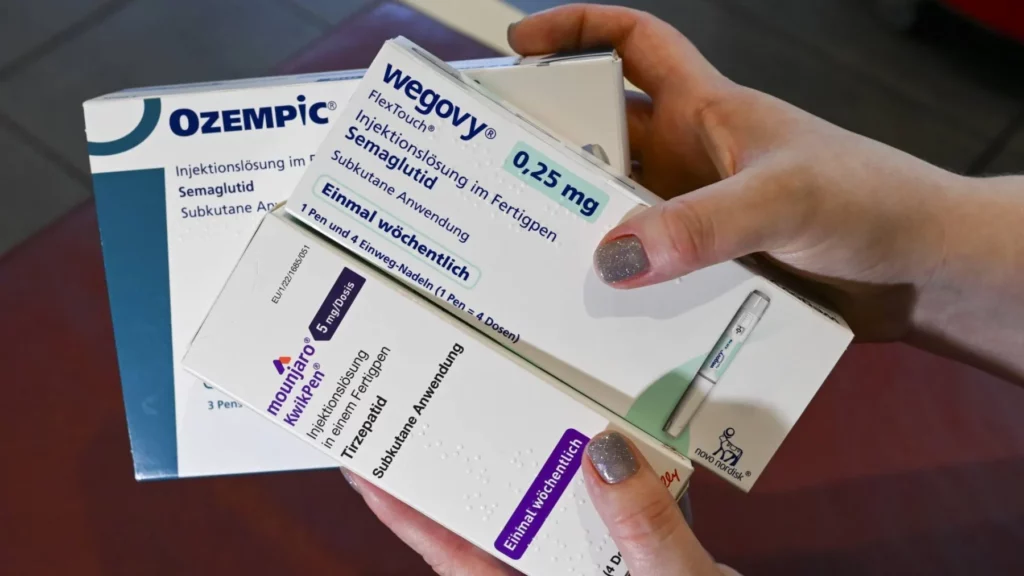
Concerns are growing about reports linking Ozempic (semaglutide) to sudden or permanent vision loss. Originally approved for type 2 diabetes and now widely used for weight loss, the drug has been associated with serious eye conditions like nonarteritic anterior ischemic optic neuropathy (NAION), which can cause irreversible blindness. Patients have reported blurred vision, dark spots, or sudden sight loss shortly after starting Ozempic, raising questions about how the drug may affect the optic nerve and eye health.
Researchers and legal experts are now investigating these claims. Some studies suggest rapid blood sugar changes from Ozempic may worsen existing eye issues, especially in people with diabetes or high blood pressure. Meanwhile, lawsuits allege that Novo Nordisk failed to properly warn users about the potential risk of severe vision complications.
What is Ozempic?
Ozempic is an injectable prescription drug developed by Novo Nordisk, containing semaglutide, a glucagon-like peptide-1 (GLP-1) receptor agonist. Approved by the U.S. Food and Drug Administration (FDA) in December 2017, Ozempic is indicated for:
- Improving glycemic control in adults with type 2 diabetes.
- Reducing the risk of major cardiovascular events (e.g., heart attack, stroke, or death) in patients with type 2 diabetes and established cardiovascular disease.
Semaglutide mimics the GLP-1 hormone, which stimulates insulin secretion, slows gastric emptying, and suppresses appetite, leading to its frequent off-label use for weight loss. A higher-dose version, Wegovy, was approved in June 2021 for chronic weight management in adults and adolescents with obesity or weight-related conditions. Despite its efficacy, Ozempic has been associated with serious side effects, including gastrointestinal issues, gallbladder disease, and, more recently, vision loss due to NAION.
What is “Ozempic Blindness”?
“Ozempic blindness” is a term used to describe reports of vision loss or serious eye complications among people taking Ozempic, a popular diabetes and weight-loss medication. Some users have reported experiencing sudden vision changes, worsening of diabetic retinopathy, or even permanent loss of sight after starting the drug. While these cases have raised public concern, medical researchers are still working to determine whether Ozempic itself causes these vision problems or if they occur as a result of rapid blood sugar changes that can temporarily worsen existing eye conditions.
Patients with a history of diabetic eye disease appear to be at higher risk, underscoring the importance of regular eye checkups and immediate medical attention if any vision issues arise while using the medication.
Can Ozempic Cause Blindness?
Yes, scientific studies suggest that Ozempic (semaglutide) may be associated with an increased risk of a rare but serious eye condition called Non-Arteritic Anterior Ischemic Optic Neuropathy (NAION), which can lead to sudden and often irreversible vision loss. NAION occurs when blood flow to the optic nerve is compromised, resulting in nerve damage and vision impairment, typically in one eye but potentially affecting both.
A 2024 study published in JAMA Ophthalmology found that patients with type 2 diabetes taking semaglutide had a fourfold higher risk of developing NAION, while those using it for weight management faced a sevenfold increased risk compared to non-users.
Although the exact biological mechanism is still under investigation, researchers believe semaglutide’s effect on blood vessels may contribute to reduced optic nerve perfusion in susceptible individuals. Despite this, the U.S. FDA has not yet issued a specific warning about blindness, though the European Medicines Agency has acknowledged the link as a very rare but serious potential side effect.
Medical Research and FDA Warnings About Ozempic Blindness
In recent years, growing evidence has linked Ozempic (semaglutide) to serious eye complications, including diabetic retinopathy progression and a rare but vision-threatening condition known as nonarteritic anterior ischemic optic neuropathy (NAION). While Ozempic was initially approved for blood sugar management and later gained popularity for weight loss, medical professionals have started raising concerns about potential vision-related side effects. Early clinical trials hinted at a higher incidence of eye issues in patients who experienced rapid drops in blood sugar, which can strain delicate blood vessels in the retina and optic nerve.
As of now, the U.S. Food and Drug Administration (FDA) has not issued a formal safety warning specifically linking Ozempic to blindness or NAION. However, the agency’s adverse event database includes numerous reports of sudden vision changes, blurred vision, and optic nerve disorders following semaglutide use. These reports, combined with new peer-reviewed research, have prompted growing scrutiny and a push for further investigation.
Several peer-reviewed studies have identified a statistically significant association between semaglutide use and an increased risk of NAION, though causation remains unproven. In a July 2024 Harvard study published in JAMA Ophthalmology, researchers analyzed data from over 16,000 patients and found that those with type 2 diabetes who used semaglutide faced a 4.28-fold higher risk of NAION compared to users of other diabetes medications. Among overweight and obese patients taking semaglutide for weight loss, the risk jumped even higher — a 7.64-fold increase. While this study was limited by its retrospective design and single-institution data, its findings were striking enough to raise national attention.
A January 2025 Danish population-based study involving 60,000 patients reinforced these concerns. It found that semaglutide users had a 2.1-fold increased risk of NAION, with women and those with high blood pressure appearing particularly vulnerable. The study also observed a noticeable rise in NAION cases following Ozempic’s introduction in Denmark. Similarly, a December 2024 U.S. study published in the International Journal of Retina and Vitreous reported a 32% higher relative risk of NAION among semaglutide users, especially those with hypertension or obesity. Even earlier research from 2020 had flagged 142 vision-related adverse events in Ozempic trials, an early warning that now seems prescient.
Taken together, these studies suggest a consistent pattern: semaglutide may elevate the risk of optic nerve damage leading to partial or permanent vision loss. However, experts caution that most of the current evidence comes from observational studies, not randomized clinical trials. This means a direct cause-and-effect relationship hasn’t been proven. The increased baseline risk of NAION in people with diabetes and obesity also complicates the analysis. Still, the data is compelling enough that both medical researchers and legal experts are urging closer examination, routine eye monitoring, and greater transparency about these potential risks for anyone prescribed Ozempic.
Symptoms of Vision Problems Linked to Ozempic
Some patients taking Ozempic have reported sudden or progressive vision changes that could signal serious eye complications like NAION or diabetic retinopathy progression. Recognizing these symptoms early is crucial for preventing permanent damage. If you experience any of the following signs while using Ozempic, contact your doctor or an eye specialist immediately:
- Blurred or distorted vision
- Sudden loss of sight
- Eye pain or pressure
- Spots, flashes, or dark areas in your vision
- Rapid changes in visual clarity
Prompt medical evaluation can make a significant difference in protecting your eyesight and addressing potential complications before they become irreversible.
Legal Actions and Ozempic Blindness Lawsuits
As reports of vision loss and NAION have surfaced, patients are now filing Ozempic blindness lawsuits against Novo Nordisk, the manufacturer of Ozempic. These lawsuits allege that the company failed to adequately warn consumers and healthcare providers about the potential risk of serious eye injuries, including permanent blindness. Plaintiffs claim that Novo Nordisk had access to early data from both clinical trials and post-market surveillance suggesting a link between semaglutide and optic nerve damage but did not update the drug’s warning label to reflect these findings.
Many of these cases are being filed as product liability lawsuits, focusing on failure to warn, design defects, and negligence. Some attorneys are also exploring multidistrict litigation (MDL) to consolidate cases for efficiency, as the number of claims continues to grow nationwide. Victims seek compensation for medical expenses, loss of vision-related income, pain and suffering, and diminished quality of life. Legal experts anticipate that as more evidence emerges from ongoing studies, the number of lawsuits and potential settlement discussions will rise substantially.
Who Qualifies for an Ozempic Blindness Lawsuit?
Not everyone who experienced vision problems while taking Ozempic will automatically qualify for a lawsuit. Generally, you may be eligible if you meet the following conditions:
- You used Ozempic, Wegovy, or another semaglutide-based medication as prescribed.
- You later developed serious eye complications, such as nonarteritic anterior ischemic optic neuropathy (NAION), optic nerve damage, or permanent or partial vision loss.
- You did not receive adequate warnings from your doctor or the product label about the potential risk of blindness or optic nerve injury.
- You suffered medical or financial damages as a result, such as hospital bills, loss of income, or long-term disability.
An attorney handling pharmaceutical injury cases can review your medical records, prescription history, and symptom timeline to determine whether your situation meets the legal criteria. Most law firms offer free case evaluations and only charge fees if they successfully recover compensation on your behalf.
What Compensation Can Victims Recover?
Victims filing an Ozempic blindness lawsuit may be entitled to several forms of compensation depending on the severity of their injury and its impact on their life. The goal of these claims is to hold Novo Nordisk accountable and to recover the full scope of damages linked to vision loss. Potential compensation categories include:
- Medical expenses: Costs for diagnosis, surgery, medications, ongoing treatments, and assistive devices.
- Lost income: Wages lost due to temporary or permanent vision impairment.
- Loss of earning capacity: Compensation for the inability to continue your previous career or earn the same level of income.
- Pain and suffering: Non-economic damages for emotional distress, anxiety, or depression caused by partial or total blindness.
- Loss of enjoyment of life: Damages for lifestyle limitations, loss of independence, and reduced quality of life.
- Punitive damages: In cases where the company’s actions are proven reckless or negligent, courts may award additional damages to punish misconduct and deter future harm.
Each case is unique, and compensation amounts can vary widely based on medical evidence, long-term prognosis, and the strength of the legal claim.
What to Do If You Experience Vision Loss After Using Ozempic
If you’ve noticed sudden or gradual changes in your vision after taking Ozempic, Wegovy, or another semaglutide-based drug, it’s important to act quickly. Even mild symptoms can signal the onset of a serious condition like NAION (nonarteritic anterior ischemic optic neuropathy) or worsening diabetic retinopathy. Early medical and legal action can help protect both your eyesight and your rights.
Here’s what you should do right away:
- Seek immediate medical attention: Visit an eye specialist (ophthalmologist) as soon as possible for a thorough evaluation. Prompt diagnosis and treatment may prevent further vision loss or permanent optic nerve damage.
- Document everything: Keep detailed records of your symptoms, diagnoses, prescriptions, and any communication with healthcare providers. Save your Ozempic packaging and pharmacy receipts, as these can serve as crucial evidence.
- Avoid stopping the medication without medical advice: While it’s natural to want to discontinue the drug, stopping suddenly could worsen your condition or cause other side effects. Discuss alternative treatments or dosage adjustments with your doctor first.
- Consult an experienced Ozempic lawsuit lawyer: A lawyer familiar with pharmaceutical injury cases can evaluate your situation and determine whether you may have a valid claim against Novo Nordisk. They’ll also guide you through the process of gathering medical records, building your case, and filing your claim before deadlines expire.
How an Ozempic Lawsuit Lawyer Can Help
An experienced Ozempic blindness lawyer plays a vital role in helping victims seek justice and compensation for their losses. These attorneys specialize in dangerous drug litigation and understand the complex medical and legal issues surrounding semaglutide-related injuries. Here’s how they can help:
- Investigate your case: Your lawyer will review your medical history, prescription details, and symptom timeline to establish a clear connection between Ozempic use and your vision loss.
- Work with medical experts: They’ll consult with ophthalmologists and pharmacology experts who can testify about the drug’s potential role in causing optic nerve damage or other eye complications.
- Handle negotiations and litigation: Whether pursuing an individual lawsuit or joining a multidistrict litigation (MDL), your attorney will handle all filings, negotiations, and court proceedings on your behalf.
- Seek maximum compensation: From medical bills and lost wages to emotional suffering and future care costs, your lawyer will fight for full financial recovery.
- Operate on a contingency basis: Most attorneys take these cases on a no-win, no-fee basis, meaning you pay nothing unless they win compensation for you.
Taking swift legal action not only helps you recover damages but also sends a strong message to drug manufacturers about accountability and patient safety. If you or a loved one has suffered vision loss after using Ozempic, it’s important to get a free case evaluation as soon as possible to understand your options and protect your rights.