
Corpus Christi moved forward with zoning restrictions in 2024 that limit where kratom products can be sold, requiring vendors to operate in commercially zoned areas away from schools, parks, and residential zones. Lubbock adopted a vendor registration requirement in late 2024, mandating that kratom retailers file product documentation annually with the city’s health department. These changes reflect a broader trend among Texas municipalities taking a more active role in enforcement at the local level.
In 2024 and into 2025, the Texas Attorney General’s office sent civil investigative demands to several kratom retailers operating across multiple cities, targeting businesses suspected of selling adulterated products or failing to meet labeling standards under state law. Retailers in Dallas and Houston were among those contacted. These actions signal that enforcement is no longer limited to state health inspections and is expanding to include direct legal pressure from the Attorney General.
Local regulations add requirements on top of the baseline state standards but cannot reduce the minimum purchase age below 21 or permit the sale of adulterated products. Retailers operating in multiple Texas cities must comply with the most restrictive regulations applicable to each location.
Kratom carries documented health risks that consumers and healthcare providers continue to track closely. The substance affects opioid receptors in the brain, producing effects that vary based on dosage, individual physiology, and product strength. While some users report pain relief or increased energy, medical professionals have identified serious safety concerns backed by growing data.
Physical dependence can develop with regular kratom use. Users who consume kratom daily for extended periods often experience withdrawal symptoms when stopping, including muscle aches, irritability, mood changes, insomnia, fever, and nausea. The withdrawal timeline typically begins within 12 to 48 hours after last use and can persist for several days to weeks depending on usage patterns.
The Texas Poison Control Network, which operates through the University of Texas Health Science Center at San Antonio, has reported a steady increase in kratom-related calls over the past several years. Reported symptoms include nausea, vomiting, confusion, drowsiness, increased heart rate, elevated blood pressure, seizures, and in severe cases, loss of consciousness. Calls involving kratom combined with other substances, particularly opioids or benzodiazepines, have been associated with more serious outcomes.
At the federal level, the FDA updated its consumer warnings on kratom in 2023 and 2024, reaffirming that no kratom product has been approved as safe or effective for any medical use. The agency has documented deaths associated with kratom use and has continued to flag concerns about adulterated products entering the market. The FDA also issued import alerts allowing officials to detain kratom shipments from foreign suppliers who have not met U.S. safety standards.
The National Institute on Drug Abuse acknowledges that kratom can lead to compulsive use patterns similar to other substances affecting opioid receptors. Individuals with histories of substance use disorders face elevated risk for dependence. Contaminated kratom products have caused multistate salmonella outbreaks, and heavy metal contamination including lead and cadmium has been detected in products sold across the country.
Kratom interacts with numerous medications by affecting liver enzymes responsible for breaking down many prescription drugs. Combining kratom with benzodiazepines, alcohol, or other central nervous system depressants raises the risk of respiratory depression. Pregnant women face specific risks, as kratom crosses the placental barrier. Infants born to mothers who used kratom during pregnancy have experienced withdrawal symptoms requiring medical treatment. The American College of Obstetricians and Gynecologists advises against kratom use during pregnancy or breastfeeding.
Alkaloid content varies significantly between products and even between batches from the same manufacturer, making it difficult for users to predict strength or effects. Anyone considering kratom use should consult with a healthcare provider first. The substance is not approved by the FDA for any medical use, no clinical trials have established safe dosing guidelines, and long-term health effects remain poorly understood.
The Texas Attorney General’s office has taken an increasingly active role in enforcing kratom regulations under the Texas Kratom Consumer Health and Safety Protection Act. Beginning in 2024, the office issued civil investigative demands to kratom retailers across the state as part of an investigation into whether vendors were selling products that violated labeling requirements, age verification rules, or standards prohibiting adulterated kratom.
Several retailers in the Dallas-Fort Worth area and Houston received formal notices requiring them to produce sales records, product documentation, and supplier information. These demands were not criminal charges but part of civil enforcement investigations that can lead to financial penalties, required corrective action, or referral for further legal proceedings if violations are confirmed.
The Attorney General’s authority to pursue these actions comes from the consumer protection provisions embedded in the Texas Kratom Consumer Health and Safety Protection Act, which allows the state to treat violations as deceptive trade practices under the Texas Deceptive Trade Practices-Consumer Protection Act. This gives the office broad investigative tools and the ability to seek civil penalties, restitution, and injunctive relief without requiring a criminal conviction.
Retailers found in violation face civil penalties that can accumulate quickly. Each transaction involving an adulterated product or a sale to a minor can be treated as a separate violation, and penalties can reach into the tens of thousands of dollars for businesses with multiple infractions. Businesses that continue selling non-compliant products after receiving a compliance order face escalating consequences including license suspension.
Texas enacted the Kratom Consumer Health and Safety Protection Act to establish a statewide regulatory framework governing the sale, distribution, and labeling of kratom products. The law does not ban kratom but sets clear legal boundaries intended to protect consumers from adulterated products and restrict access by minors.
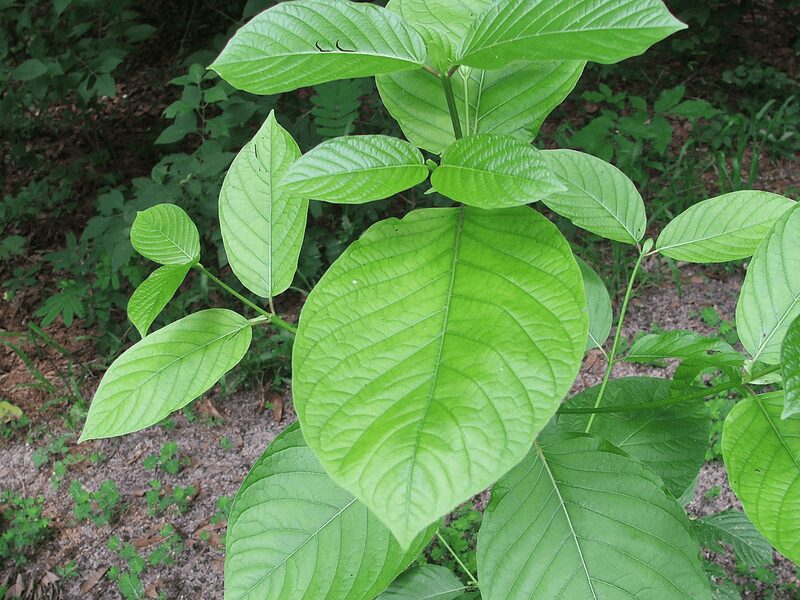
Under the act, kratom is defined as any part of the leaf of the Mitragyna speciosa plant, including its alkaloids, extracts, and derivatives. Products sold as kratom must contain only naturally occurring alkaloids, primarily mitragynine and 7-hydroxymitragynine. The law explicitly prohibits products that contain synthetic alkaloids, controlled substances listed under the Texas Controlled Substances Act, or dangerous contaminants such as heavy metals or biological pathogens.
The minimum purchase age is 21. Retailers must verify age through government-issued identification for in-person sales and through appropriate digital verification systems for online transactions. Selling kratom to anyone under 21 carries civil penalties of up to $1,000 per violation. Repeat violations can result in license suspension or permanent closure of the business.
Labeling requirements are detailed and strictly enforced. Products must display a complete ingredient list, the manufacturer or distributor’s name and physical address, recommended serving sizes, and a batch or lot number for traceability. Labels must include a warning statement about potential health risks and must state that the product has not been evaluated by the FDA. Claims suggesting medical benefits or misrepresenting alkaloid content are prohibited.
The Texas Department of State Health Services has authority to conduct unannounced inspections, collect product samples for laboratory testing, and issue compliance orders requiring retailers to remove non-compliant products from shelves. The department works with accredited laboratories to test for synthetic alkaloid contamination, heavy metal content, bacterial presence such as salmonella, and accuracy of alkaloid concentration claims.
Texas poison control centers have recorded a rising number of kratom-related exposure calls over recent years. The Texas Poison Control Network, administered through the University of Texas Health Science Center at San Antonio, tracks calls involving kratom as a separate category due to increased volume. Reported cases range from mild symptoms such as nausea and elevated heart rate to more serious outcomes including seizures, altered mental status, and respiratory distress, particularly when kratom was combined with other substances.
Nationally, the American Association of Poison Control Centers has tracked thousands of kratom exposure calls over the past decade, with calls increasing year over year. Texas accounts for a notable share of those reports given the state’s population size and the widespread availability of kratom at retail locations including smoke shops, gas stations, and online retailers.
The FDA has issued multiple warnings about kratom over the years and has not changed its position that kratom has no approved medical use. In guidance updated in 2023, the FDA reiterated concerns about kratom’s potential for abuse, dependence, and serious adverse effects. The agency has also flagged specific products that were marketed with implied health claims, taking enforcement action against companies making unsupported medical representations.
The FDA classifies kratom as a botanical with opioid-like properties and has stated publicly that it continues to evaluate the substance. Import alerts remain in place allowing U.S. Customs and Border Protection to detain shipments of kratom products from foreign manufacturers who have not demonstrated compliance with U.S. safety standards. These alerts affect a significant portion of the kratom supply chain, as much of the raw plant material originates in Southeast Asia.
Healthcare providers in Texas emergency departments have reported treating patients for kratom-related complications, including cases where users were unaware that products contained adulterants or synthetic compounds. These incidents have contributed to calls for stricter enforcement of the state’s product testing requirements.
At the federal level, kratom occupies a legal gray area that has been the subject of ongoing regulatory debate for years. Kratom is not a federally controlled substance, but both the Food and Drug Administration and the Drug Enforcement Administration have taken positions signaling ongoing concern about its safety and potential for misuse.
The FDA has consistently stated that it has not approved kratom for any medical purpose and that there is no adequate evidence demonstrating it is safe or effective for treating pain, opioid withdrawal, anxiety, or any other condition. The agency has warned consumers against using kratom as a substitute for proven medical treatments. The FDA’s position is based on its review of adverse event reports, published scientific literature, and its analysis of kratom’s pharmacological properties, particularly its activity at opioid receptors in the brain.
The DEA announced in 2016 that it intended to classify kratom’s primary alkaloids, mitragynine and 7-hydroxymitragynine, as Schedule I controlled substances, which would have made possession and sale federally illegal. The agency reversed course after significant public pushback and withdrew the proposal, but it has continued to monitor kratom and has not ruled out future scheduling action. As of 2025, kratom remains unscheduled at the federal level, meaning its legal status in any given state is determined by state law.
The DEA lists kratom as a Drug and Chemical of Concern, a designation that reflects ongoing scrutiny without the full legal restrictions that come with scheduling. This designation allows federal law enforcement to monitor kratom-related activity and take action against products that contain scheduled substances or that are marketed with claims that would make them illegal drug products under existing law.
Congress has taken some interest in kratom regulation as well. The Kratom Consumer Protection Act has been proposed at the federal level in various forms, modeled partly on state laws like Texas’s, but no federal version has been signed into law. If federal legislation passes, it could preempt or complement existing state frameworks. Until then, Texas retailers and consumers operate under the state law already in place.