
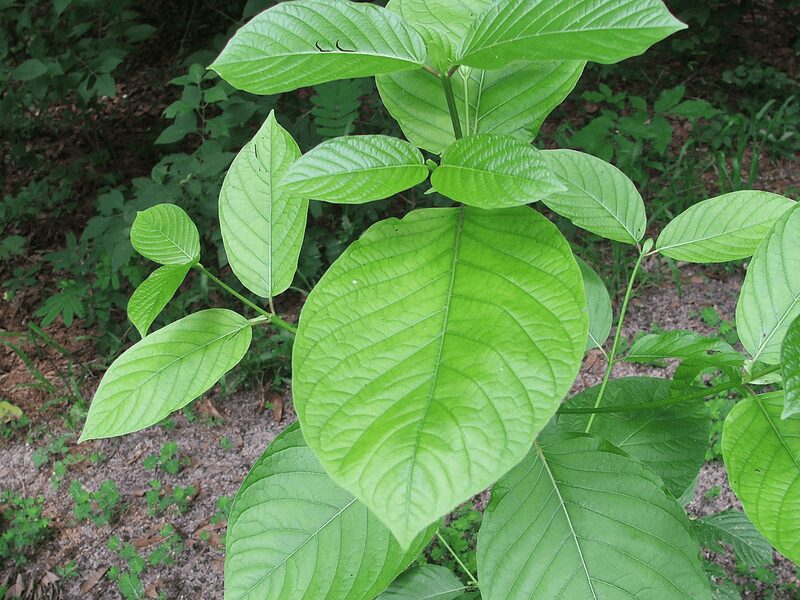
Kratom is legal in Washington, D.C. with no outright ban on possession, sale, or use for adults. The district reversed earlier restrictions and treats natural kratom as unregulated, allowing open access while monitoring for safety concerns.
Historical Background and Current Status of Kratom in Washington D.C.
Washington, D.C. briefly restricted 7-hydroxymitragynine, a key kratom alkaloid, but reversed this in 2018 after advocacy from groups like the American Kratom Association. Today, natural kratom (Mitragyna speciosa) in forms like powders, capsules, and leaf is fully legal for adults to buy, possess, and use without criminal penalties.
Unlike states with full bans or strict Kratom Consumer Protection Acts (KCPAs), D.C. has no local statute scheduling kratom as a controlled substance. This permissive stance aligns with federal law, where kratom remains unscheduled, though the FDA flags it as an unsafe food additive for import purposes.
Regulatory Framework of Kratom in Washington D.C.
D.C. lacks a dedicated KCPA, so there are no mandated age limits, lab testing, labeling standards, or sales restrictions specific to kratom. Retailers operate under general consumer protection rules, and adults face no formal barriers to purchasing from smoke shops, online vendors, or specialty stores.
Federal influence plays a role: FDA warnings target adulterated products or those with unapproved health claims, leading to occasional import seizures, but these do not affect domestic possession or local sales in D.C. The district’s health department focuses enforcement on contaminated or misbranded items rather than natural kratom itself.
Local Enforcement and Practical Risks
No sub-district or neighborhood-level bans exist within D.C., making it uniformly legal across the city. Enforcement remains low-key, with rare actions tied to public health complaints, such as sales to minors or products laced with other substances.
Consumers face quality risks due to absent regulation—variable potency and potential contaminants are common concerns without mandatory testing. Reputable vendors often provide voluntary lab reports, and users report smooth access in areas like Dupont Circle or near federal buildings.
Age Limits and Buyer Considerations of Kratom in Washington D.C.
D.C. imposes no statutory minimum age for kratom purchases, though many retailers voluntarily enforce 18+ or 21+ policies to align with tobacco or supplement norms. Minors attempting to buy may face store refusals, but no criminal penalties apply under current law.
Travelers should note D.C.’s status when flying in: TSA permits kratom domestically, but avoid carrying large quantities to minimize scrutiny.
Future Outlook and Legislative Trends
D.C. Council monitors national kratom debates, and a KCPA could emerge by 2026, potentially adding age 21 limits, purity testing, and labeling like in other districts. No active ban bills exist as of 2026, but federal DEA scrutiny or overdose reports could prompt reviews.
Advocacy groups push for regulation over prohibition, citing kratom’s role in opioid alternatives, keeping D.C. on a permissive track for now.
Practical Takeaways
Adults in D.C. enjoy straightforward legal access to natural kratom statewide, with minimal enforcement hurdles. Prioritize lab-tested products from trusted sources to mitigate quality risks, and stay informed via local health alerts or the American Kratom Association for potential changes. For vendors, voluntary compliance with emerging best practices positions businesses ahead of future rules.